Posted by
Flora Sawita
Labels:
landscaping,
palm trees

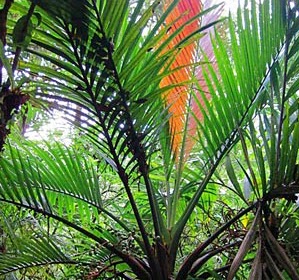
Palm trees can add value to your home by spicing up your landscaping and giving your yard that exquisite and vibrant tropical look. A home with a beautiful, healthy-looking yard sells faster and for more. If you’re thinking of adding palm trees to your home, here are a few tips to keep in mind that should help you get the most out of your landscaping project.
 When to Plant
The spring and summer months are the ideal time to start your palm tree landscaping project. Palm trees need warm weather and a lot of sun when they’re growing. If you already live in a tropical climate, you can start planting them at any time.
Do the Research
You don’t want to go into this project without knowing a little bit about the palm trees your thinking of getting. Look into the different types of palms and pay close attention to how wide and how tall each kind grows. You don’t want to end up with ones that are too big for your yard, or ones that have roots systems that could damage your foundation or other elements of the yard.
 Don’t Plant Too Close to the House
Don’t make the common mistake of planting a palm tree too close to your house. Palm trees, when young, can look small and harmless, but they grow very quickly into giant tropical beasts that, if improperly placed, can take over your roof and damage your walls and windows.
 Don’t Overcrowd
Three palm trees or less is usually a good rule of thumb. You shouldn’t just start putting palms in every available section of your yard. Palm trees should work to frame the design of your yard and add a powerful tropical element to the landscaping, but they should not overcrowd your yard. Place your palms in different areas and arrange them organically, in a way that is visually appealing, rather than in evenly-spaced clusters or rows. Surrounding them with other plants and colorful elements is a great way to make your palms look even better.